





































If under-30s continue to feel that opportunity lies beyond our borders, then no amount of rhetoric will reverse the economic consequences.

(Image: Xavier Lorenzo via Getty Images)
Every election cycle brings promises aimed at young people and whilst most are well intentioned, few survive once parties are in power.
That is because too many manifestos are written as collections of aspirations and whilst they talk broadly about fairness and opportunity, they rarely connect those ideas to housing supply, labour markets, business creation, productivity, or growth. As a result, young people see the words but not the tangible outcomes that directly help their generation.
If Wales genuinely wants to win the confidence of under-30s and more importantly keep them, then the political parties standing for the Senedd elections in May need to stop treating policy for young people as an add-on to their manifestos and start treating them as core to the economic success of the nation.
The starting point is housing and the cost of living as for many young people, independence feels further away than it did for their parents, not because of a lack of effort but because the numbers simply don’t add up. Rent absorbs income, energy costs are volatile, and transport eats into already tight budgets and clear targets are needed for affordable housing linked to jobs and training, backing back rent-to-buy and shared ownership schemes and strengthening energy efficiency standards.
Jobs and skills come next and this is where Wales has repeatedly underperformed compared to the rest of the UK. With youth unemployment increasing especially in our more deprived areas, too many young people are being funnelled into short-term, insecure work or training that does not align with real labour demand.
A credible offer would guarantee every young person a route into work, training or entrepreneurship, expand apprenticeships in growth sectors, and pilot new working patterns that reflect how younger generations want to live and work to retain talent in a highly mobile labour market.
But employment alone is no longer enough, and research shows that a growing number of young people want to start their own businesses. That aspiration is no longer a fringe trend but is quickly becoming mainstream and yet the support system remains fragmented, bureaucratic and risk averse.
If Wales wants to become a serious start-up nation, it needs to make entrepreneurship as visible and accessible as getting a job which means small amounts of early capital, simple access points, practical mentoring, and places to test ideas without taking on crippling risk. It also means embedding enterprise education early, so starting a business feels normal rather than exceptional. This is not about subsidising failure but about building a pipeline that converts ambition into sustainable businesses and, over time, into employers.
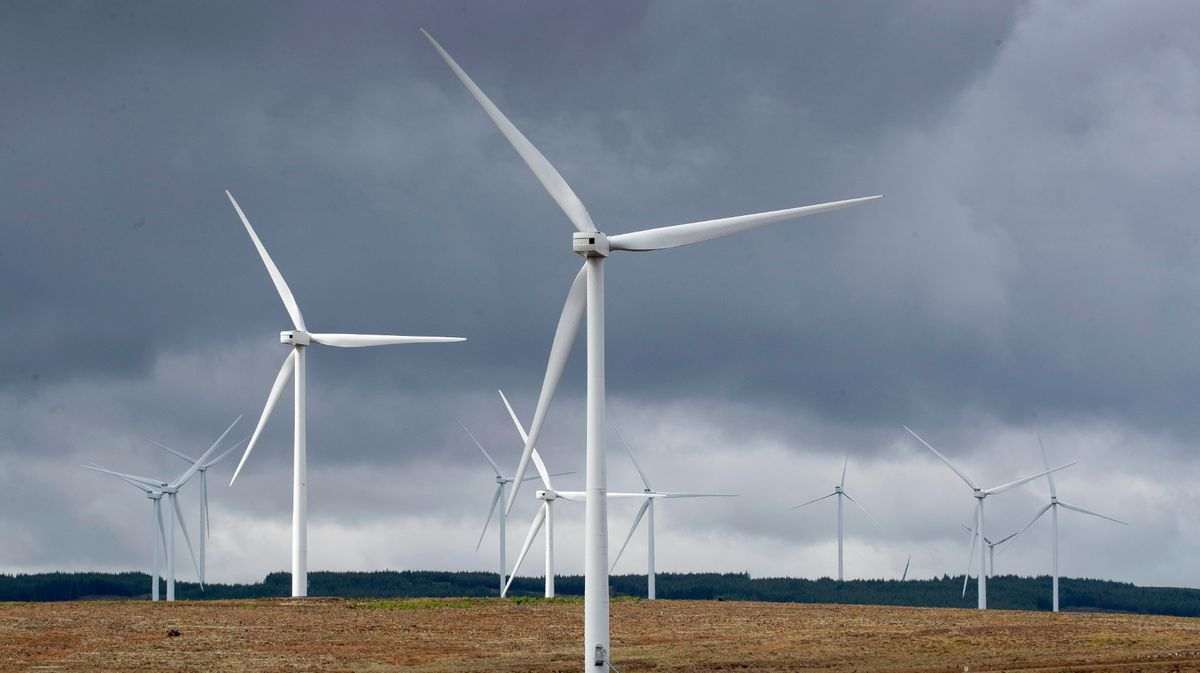
Climate and green growth is another area where rhetoric often runs ahead of delivery and whilst young people care deeply about the environment, they also care about jobs and affordability. The two are not in conflict if policy is designed properly and a green jobs programme focused on renewables, retrofitting and nature restoration can deliver employment, reduce energy bills, and improve resilience. Indeed, high bills are a drag on disposable income and training young people to retrofit homes creates skilled jobs while reducing long-term costs.
Mental health is now inseparable from economic participation with long waiting times, patchy access and overstretched services undermine productivity as well as wellbeing. A youth-focused approach would prioritise early intervention, regional access, and speed and whilst that doesn’t remove the need for clinical care, it does mean designing services around how young people actually seek help, not how systems are organised internally.
Fairness and inclusion also need to be treated as economic issues, not just social ones. Insecure gig work, unpaid internships, and inaccessible workplaces distort labour markets and waste talent. Inclusive community spaces and youth services are not costs to be tolerated but investments in cohesion and long-term participation, particularly in rural and coastal areas that are losing young people fastest.
Transport and mobility matter more than policymakers often realise and access to work, education, culture, and social life is shaped by whether young people can move affordably and reliably. Discounted travel, rural connectivity, and safe active travel infrastructure are not luxuries but are prerequisites for participation in the modern economy. Alongside this, digital connectivity sits underneath everything and universal broadband, access to digital skills and support for tech-enabled businesses are no longer optional if Wales wants to compete.
And finally, culture which is too often sidelined as a priority but is central to retention, identity, and creative industry growth. Affordable access, regional hubs, and late-night transport are not about entertainment alone but are about making places attractive to live, work, and invest.
Pull all of this together and these are not items for a manifesto in the traditional sense but an economic strategy for a generation. Young people don’t just want a voice but want the means to build a life here in Wales. That means affordable housing, real work, the freedom to start something, access to support when things go wrong and, most importantly, a sense that the system is designed for the world as it is now and not the one most of our politicians and policymakers grew up in.
Therefore, the question for the next Senedd is not whether Wales can afford to invest properly in its young people, it is whether it can afford not to. Every pound that fails to translate into affordable housing, real jobs or new businesses is a pound that pushes talent to places that move faster and think bigger.
Certainly, if our under-30s continue to feel that opportunity lies beyond our borders, then no amount of rhetoric will reverse the economic consequences. This means the next election must be about more than just empty promises and more about whether Wales is finally prepared to treat its young people not as a problem to be managed, but as the real engine of its future growth and prosperity.