











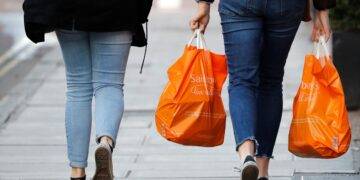




























Confusion over what constitutes liquids when packing cabin bags can lead to consequences for holidaymakers

Airport security experts have warned that a simple hand luggage packing mistake could cause delays or items to be confiscated(Image: Getty Images)
Airport security experts have warned holidaymakers that a simple mistake when packing hand luggage could lead to delays, extra screening or even confiscated items at the departure gate.
Travellers often carefully prepare cabin bags before flying, making sure essentials such as headphones, snacks, travel documents and reading material are close to hand. Many also include skincare products like lip balm, moisturiser, facial mists or sheet masks to stay comfortable during longer journeys, Mirror reports.
However, specialists say confusion around what counts as a liquid is causing repeated problems at security checks, particularly as new skincare formats continue to hit the market. Experts at Landys Chemist said many passengers wrongly assume that certain products fall outside liquid restrictions.
They highlighted that balms, jellies and stick formulations can still be classed as liquids under airport rules, depending on their consistency. They explained that items such as sheet masks, eye patches, cleansing balms, face creams and serums are all treated as liquids at security.
If packed incorrectly, they may need to be removed, screened separately or even taken away entirely, leading to delays for passengers. Another common issue is overpacking travel sized toiletries.
Even when items fall within the permitted volume, passengers can still be stopped if they are not stored correctly in a single clear, sealed plastic bag or if presentation does not meet security standards.
“Pouring your favourite skincare into random containers might save space, but unlabelled products can raise questions and lead to manual checks,” they shared.
Pressurised skincare items such as facial mists, setting sprays and spray sunscreens can also attract extra attention during screening. Because they are aerosol based, they are more likely to be pulled aside for inspection, which can slow down the security process.
Travellers are being urged to check rules before flying, as liquid restrictions are not identical across all UK airports. While some hubs have begun relaxing the traditional 100ml rule with new screening technology, many still enforce it, meaning passengers need to be aware of the requirements for their specific departure point.
Skincare specialist Rhysa Phommachanh, from Landys Chemist, said confusion is common among passengers trying to bring full routines into the cabin.
“Many travellers are now packing full skincare routines in their hand luggage, but it can be confusing knowing which products are allowed. As a general rule, if a product can be spread, rubbed, or sprayed, it will usually fall under airport liquid restrictions.
“We’re also seeing a growing trend for full skincare routines being carried out mid-flight, but this isn’t always ideal for the skin. Cabin environments are very low in humidity, meaning the skin is already under environmental stress. Applying multiple layers of products can increase the risk of irritation, especially if hand hygiene is limited due to shared surfaces on board.
“A more simplified approach tends to work best for long-haul travel. Basic essentials such as lip balm, a lightweight moisturiser, or a facial mist are usually more than enough to maintain hydration without overwhelming the skin barrier.”
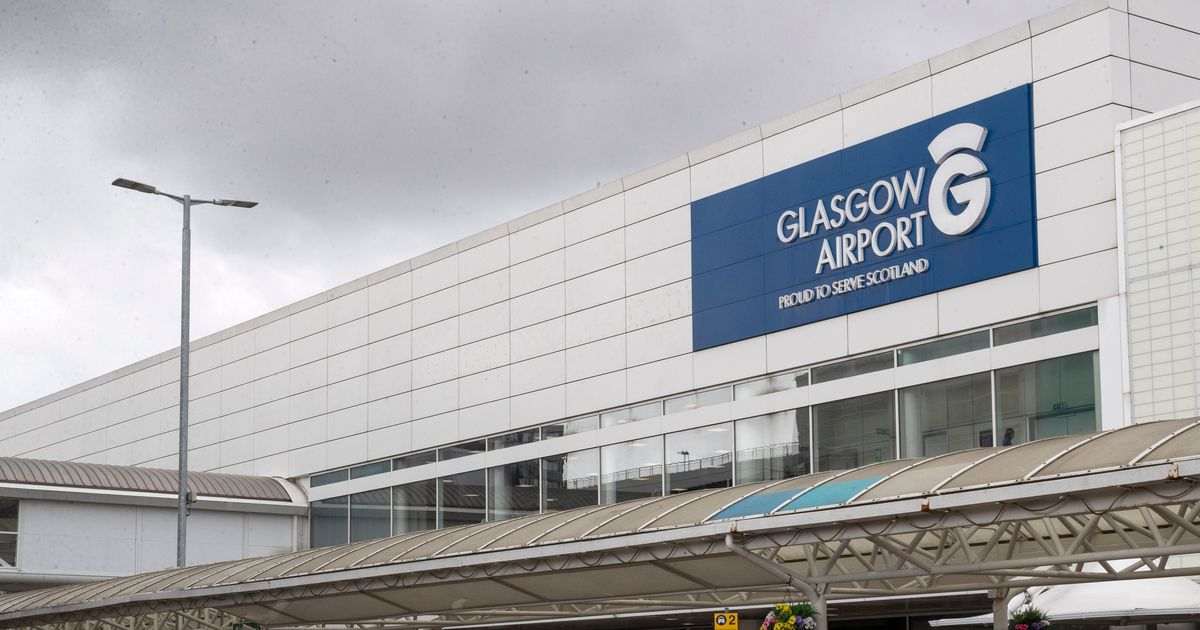
At Glasgow Airport, liquids in containers of 100ml or less can remain inside cabin baggage without the need for a separate plastic liquids bag.
Items over 100ml are generally not allowed through security unless they fall under specific exemptions such as baby milk, baby food, prescribed liquid medicines or duty free purchases sealed in tamper evident bags.
The airport says liquids include drinks, toiletries, creams, gels, sprays, pastes and similar items. Explosive, flammable or toxic liquids are banned from both hand and hold luggage.
Edinburgh Airport currently allows containers of up to two litres to stay inside bags when passing through security. Its definition of liquids also covers drinks, soups, jams, cosmetics, sprays, gels, pastes and contact lens solution.
Passengers carrying medical liquids or special dietary items are advised to bring supporting documents, while baby food and baby milk are permitted.
The airport also notes that most solid foods are fine, although anything in sauce may be treated as a liquid.