






























Andy Burnham and John Healey may never have a better opportunity to call an early general election – provided they can get through a long winter first, says Chris McCall

15:23, 28 Oct 2026

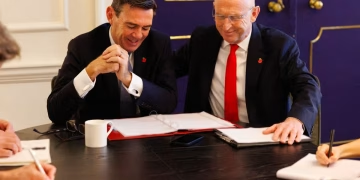
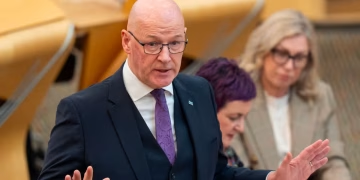
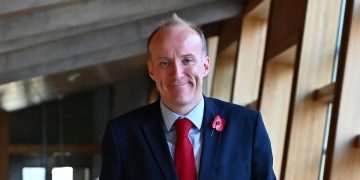
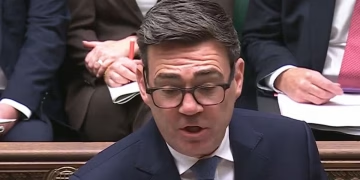
Andy Burnham and John Healey(Image: Lauren Hurley / No 10 Downing Street)
Has John Healey kicked the can down the road? That was the reaction of some pundits to the Chancellor’s first Budget speech.
Awkward conversations about the UK’s ballooning welfare bill and the rising national debt have been left for another day.
This Budget was all about providing “breathing space” – a phrase Healey repeated to MPs multiple times. Breathing space for households, yes, but also breathing space for a Prime Minister who knows he must win his own mandate from UK voters if he is to realise any of his ambitions as leader.
Does Andy Burnham surprise his opponents and call an early general election, perhaps as soon as next May? Or does he gamble the economy will improve over the next few years, providing him with firmer ground from which to fight?
Gordon Brown faced a similar dilemma after becoming PM in 2007. His decision to delay an election until 2010 ultimately cost him his job. Burnham and Healey – both Labour ministers at the time – are keenly aware of this.
The economic situation facing the UK right now is challenging. But it could easily be a whole lot worse in 12 months’ time.
Burnham is one of life’s optimists, but he’s also a realist. You pick the battles you know you can win.
Polls suggest the new PM is the most popular leader across the UK – including in Scotland. Reform UK are sliding in the polls nationwide and the Greens in England are imploding.
Nigel Farage and Kemi Badenoch’s parties are in danger of cancelling each other out in a race to the right. This could, perhaps, allow Labour to sail through the middle.
Yesterday’s Budget wasn’t full of pre-election giveaways. It was an acknowledgement that a difficult winter lies ahead. Rising energy bills are coming down the line.
But springtime could bring reasons to be cheerful. Imagine a scenario where Trump, chastened by a thrashing in the American mid-terms next month, goes out of his way to end his war in the Middle East.
Then again, perhaps the American president will think the way to boost his waning popularity is by picking another fight elsewhere.
Closer to home, Burnham has boldly talked about his desire to reverse the mistakes of Thatcherite policies like privatising water companies in England, or the break-up of locally controlled bus services.
It would be unfair to expect a Labour government to upend 40 years of economic orthodoxy with a Budget statement lasting just 55 minutes.
Andrea Egan, leader of the UK’s largest trade union, said the Budget was the first chance “to turn the Prime Minister’s historic ambition for a new economic settlement into action – on that count it falls short.”
Others were more generous. Paul Nowak of the TUC said: “As Trump’s illegal war in Iran continues to cause havoc with the global economy and drive up costs, the Prime Minister and Chancellor have started to give families and firms much-needed breathing space.”
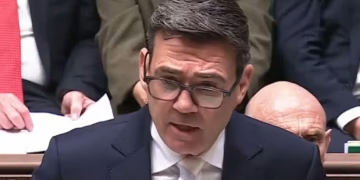
Healey, a son of West Yorkshire, is no rabble-rouser at the dispatch box. His speaking style is calm and measured – but make no mistake, he is a steely politician. He’s already fighting an election campaign that’s yet to be declared.
He worked alongside Brown in the run-up to the 2001 election which saw Labour effortlessly achieve a second landslide on the bounce. How the Chancellor must wish he was in charge of a booming domestic economy like the one 25 years ago, instead of being forced to plan for the latest catastrophe inflicted by a once-solid ally across the pond.
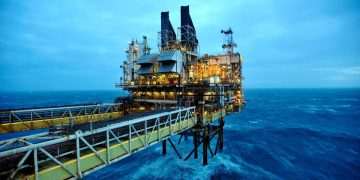
Healey was right when he blamed Trump’s pointless war against Iran for needlessly driving up the international cost of oil and gas, which in turn means misery for ordinary households left with higher bills.
But he had rather less to about the fact the UK Government will have to borrow more over each of the next five years than it had previously planned.
Healey has announced a series of additional short-term measures to ease cost of living pressures and set a direction of travel on delivering good growth in every postcode.
OBR forecasts suggest cost of living pressures will continue well into 2027, particularly for those on low and insecure incomes. Real household disposable income is expected to grow by just 0.2% next year.
Healey’s measures won’t amount to much in the long-term unless inflation is brought down, which should in turn lessen the cost of fuel and the prices in supermarkets.
The UK Government, based on its own estimates, faces making painful spending cuts of 2.6 per cent across most departments between 2028-29 and 2031-32. The reality is most Labour MPs would never tolerate such swinging cuts.
Something has to give before then. Maybe, just maybe, that something will be an early general election.

