













































A hospice doctor says many patients experience end-of-life visions just before they die – and nurses can often predict when death is near

Nurses know when a patient is about to die – because they see a very strong vision, a neurologist has said(Image: Getty Images)
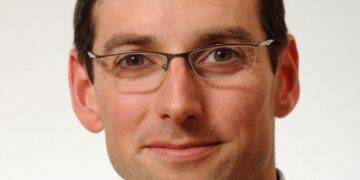
A hospice doctor has disclosed that numerous patients experience a ‘vision’ in their final moments. Neurologist Dr Chris Kerr, who serves as chief medical officer and chief executive officer at Hospice Buffalo, revealed that nursing staff ‘always know’ when someone’s death is imminent.
Speaking to The Times, he described how patients approaching the end of their lives experience dreams and visions – often bringing them considerable comfort. He explained: “The nurses could predict, by the growing frequency of these events, the patient’s time of death. A strong sign is when patients start to see deceased loved ones. These final visions give patients profound solace.”
Dr Kerr has conducted extensive research into this phenomenon – his Ted Talk “I see dead people: dreams and visions of the dying” has attracted 5.5 million views. He described these visions as distinctly different from ordinary dreams, being remarkably vivid and completely immersive, with patients frequently perceiving them as genuine reality.
His 2014 study, published in the Journal of Palliative Medicine, demonstrated that almost nine in ten dying patients report experiencing at least one ELDV. “About 10 per cent have distressing end-of-life dreams where ‘traumatic events get replayed'”, he says.
“These can be the most meaningful.” One notable example involved John, a Second World War veteran who had witnessed colleagues perishing on the Normandy invasion beaches and had been haunted by survivor’s guilt ever since. However, in his final days, he experienced a vision of returning to Normandy, where a deceased comrade told him they had come to fetch him home.
Dr Kerr explained: “Reconciliation and forgiveness seem common themes. They give people the peace they need to let go of life.”
The phenomenon first struck Dr Kerr aged 12 while watching his dying father, who told the family they needed to rush as it was time to head off for their annual fishing trip together – their strongest source of bonding.
Kerr sensed his dad was in a different place or time, experiencing meaningful peace and joy. A priest told him his father was delusional.
Sierra, a young mum in her twenties, struggled to come to terms with her terminal diagnosis until her late grandfather appeared to her in an ELDV to tell her he was proud of her and that it was OK to let go.
Dr Kerr stated: “I am awestruck by the way that patients are united with the most important people in their lives emotionally and developmentally. Often the encounters are with people they lost in childhood. This means that we don’t leave this life alone but with a parent, sibling, deceased child or beloved pet.”
The phenomenon has been associated with terminal lucidity, where patients who’ve been unconscious for extended periods suddenly regain awareness, communicating contentedly with medical staff, relatives and friends before passing away soon after. These individuals frequently suffer from advanced and irreversible brain deterioration caused by dementia, strokes or brain cancers.
Dr Kerr explained: “In the dying state, memories become unlocked and patients are struck by incidents and encounters to which they might not have had access in previous everyday life. The same sort of revival may occur in terminal lucidity.”
Kerr draws a clear distinction between these experiences and near-death experiences (NDEs) – the widely documented phenomenon in which patients brought back from clinical death report visions such as ascending towards heaven, witnessing their entire life flash before them, or observing their own body from above.
“With ELDVs people don’t leave their bodies, there’s no big reveal of an afterlife, no big subsequent change in philosophy or lifecourse,” he says. “I have never had a patient experience an ELDV, then wake up and ask, ‘What does it all mean?’ If you encounter your deceased child you don’t need anyone to interpret the experience for you.
“What’s striking with ELDVs is that while people are physically lessening, they are growing emotionally and spiritually, gaining understanding and insight thanks to these experiences, as a process of learning and letting go.”

